Author Type Font for Elegant Design
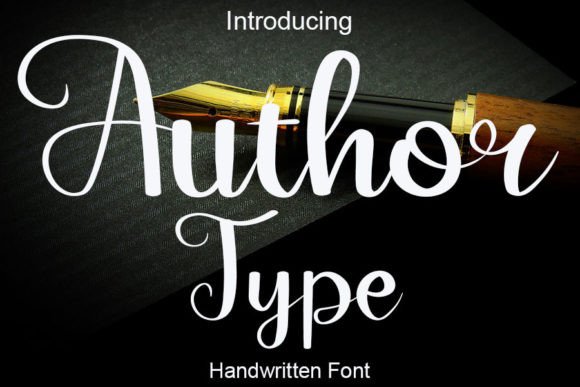
Author Type is a handwritten font that brings a refined and artistic touch to editorial design. Its elegant script style makes it ideal for projects where visual appeal and readability are equally important. As a premium font in the Script Amp collection, it offers a timeless aesthetic that enhances the overall tone of content across blogs, magazines, and digital publications.
The font’s fluid strokes and subtle variations give it a personal, authentic feel. It works well for headings, titles, and decorative elements where a humanized touch can elevate the design. Whether used in a lifestyle blog, a recipe ebook, or a wedding guide, Author Type adds a sense of sophistication without sacrificing clarity.
Using Author Type in Editorial Layouts
For bloggers and publishers, Author Type provides a versatile tool for creating visually engaging content. It can be used as a display font for blog headers, magazine covers, and ebook titles. Its natural flow makes it suitable for pull quotes, chapter openers, and section headings, helping to break up dense text and guide readers through the content.
In a digital magazine, for example, Author Type might appear on the cover as the main title, drawing attention while maintaining a clean and professional look. In a printable planner or worksheet, it could be used for headings and labels, adding a personal and creative flair to the design.
Supporting Visual Hierarchy and Brand Identity
Author Type plays a key role in establishing visual hierarchy and brand identity. Its distinct personality helps differentiate a publication from others, making it more memorable to readers. When used consistently across a brand’s assets—such as newsletters, social media graphics, and packaging design—it reinforces a cohesive and recognizable style.
As a script font, it’s best suited for short text elements rather than long paragraphs. Its readability on screens and in print makes it ideal for headings, subheadings, and accent typography. Pairing it with a serif or sans serif font for body copy ensures a balanced layout that remains easy to read.
Practical Applications for Content Creators
Content creators can use Author Type in a variety of formats. For a lifestyle blog, it might appear in post titles and featured images, adding an artistic edge to the design. In a recipe ebook, it could be used for dish names and introductory sections, giving the content a warm and inviting feel.
A wedding guide might use Author Type for section headings and quote graphics, enhancing the romantic and elegant tone of the publication. Similarly, a coaching workbook could incorporate it into motivational quotes and chapter titles, reinforcing the message of inspiration and growth.
Readability and Cross-Platform Compatibility
While Author Type is a display font, it maintains a level of readability that works across different mediums. On mobile devices, it appears crisp and clear, making it suitable for headlines and banners. In PDF exports, its legibility ensures that printed materials retain the same visual quality as their digital counterparts.
Its multilingual support allows for broader use in international publications, making it a practical choice for global audiences. The font also includes alternate characters and ligatures, offering flexibility for custom design work.
Font Pairing for Editorial Design
To maximize its impact, Author Type pairs well with other fonts that complement its style. A readable serif font like Georgia or Garamond can serve as a strong base for body text, balancing the elegance of the script. A clean sans serif font such as Helvetica or Lato works well for captions, navigation menus, and secondary text.
This pairing creates a harmonious design that is both aesthetically pleasing and functionally effective. It allows for a clear distinction between primary and secondary content while maintaining a unified visual language.
Commercial Licensing and Usage
When using Author Type in commercial projects—such as ebooks, templates, printables, or paid newsletters—it’s important to check the licensing terms. Most premium fonts allow for use in published works, but specific restrictions may apply depending on the license type.
Creators should ensure they have the proper rights to use the font in their final products. This includes considerations for client publications, digital downloads, and any third-party distribution. Proper licensing ensures that the font remains a valuable and legally safe asset for editorial and design work.
Author Type is more than just a font—it’s a design element that enhances the storytelling and visual experience of content. Its unique character and versatility make it a go-to choice for publishers, bloggers, and editorial designers looking to create beautiful, engaging, and professional-looking materials.